

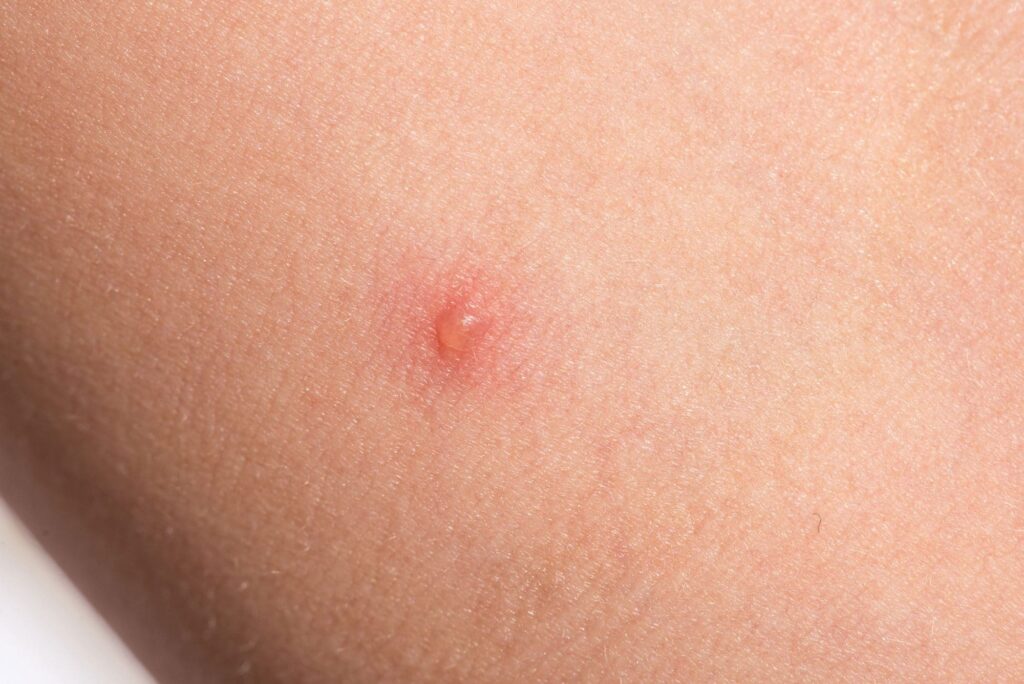
Finding a soft, painless lump under your skin can be unsettling, but also confusing. Many people assume that if a lump doesn’t hurt and hasn’t changed much, it must be harmless. In many cases, that assumption is correct. However, not all painless lumps are the same, and some do require proper medical assessment.
This article explains what soft, painless skin lumps commonly are, when they are usually benign, and when it may be worth having them checked by a doctor.
What Are the Most Common Causes of Soft, Painless Skin Lumps?
Soft, painless skin lumps are often caused by benign (non-cancerous) growths. Some of the more common ones include:
Common benign causes
- Lipomas – soft, rubbery lumps made up of fatty tissue
- Epidermoid or sebaceous cysts – slow-growing lumps under the skin
- Benign fibrous growths – firm or soft nodules in the skin or soft tissue
- Enlarged lymph nodes (in some situations) – usually mobile and non-tender
Key pointers
- These lumps usually grow slowly
- The skin over them often looks normal
- They are commonly painless
- Many remain stable for years without causing problems
Does “Painless” Always Mean It’s Nothing Serious?
Not necessarily. While pain is often associated with inflammation or infection, the absence of pain does not automatically mean a lump is harmless. Some conditions may remain painless in the early stages.
Important to note
- Certain soft tissue tumours can be painless initially
- Deeper lumps (under muscle or fascia) may not cause discomfort
- Changes over time are often more important than pain
This is why doctors focus on size, location, texture, and growth pattern, rather than pain alone.
What Features Suggest a Skin Lump Should Be Checked?
Doctors generally recommend assessment if a lump shows any of the following features:
Red flags to watch for
- Increasing in size
- Firm or hard rather than soft
- Fixed to surrounding tissue (not mobile)
- Located deep under the skin or muscle
- Changes in shape or texture
- Associated skin changes (redness, ulceration)
- New lumps appearing without clear cause
Even if a lump is painless, these features may warrant further evaluation.
How Do Doctors Assess a Soft, Painless Skin Lump?
Assessment usually starts with a clinical examination. Depending on the findings, additional tests may be recommended.
Common assessment steps
- Medical history and physical examination
- Ultrasound scan to assess size and structure
- MRI or CT scan if the lump is deep or unclear
- Biopsy in selected cases
Not all lumps require imaging or biopsy; many can be diagnosed clinically.
When Is Treatment Needed for Benign Skin Lumps?
Treatment depends on the diagnosis and the individual’s symptoms or concerns.
Treatment may be considered if:
- The lump is growing
- It causes discomfort due to pressure or location
- It affects movement or daily activities
- There is diagnostic uncertainty
- The patient prefers removal after discussion
In many cases, observation is appropriate if the lump is clearly benign and asymptomatic.
Why Self-Diagnosing Skin Lumps Can Be Risky
Online searches and comparisons can be misleading. Many skin lumps look similar on the surface but differ in underlying cause.
Why proper assessment matters
- Avoids unnecessary anxiety
- Prevents delayed diagnosis of uncommon conditions
- Ensures appropriate monitoring or treatment
- Provides reassurance when no treatment is needed
Frequently Asked Questions (FAQs)
- Can a lipoma turn into cancer?
Lipomas are benign and do not turn into cancer. However, other soft tissue lumps can mimic lipomas, which is why assessment is important. - How long can a harmless lump stay under the skin?
Some benign lumps remain unchanged for many years and never require treatment. - Should I worry if the lump doesn’t hurt at all?
Pain alone is not a reliable indicator. Growth, firmness, and location are more important factors. - Do all skin lumps need to be removed?
No. Many benign lumps can simply be monitored if they are stable and not causing symptoms. - Which doctor should I see for a skin lump?
A general surgeon or specialist experienced in soft tissue conditions can assess and advise on further steps if needed.
When in Doubt, Get It Checked
Unsure About a Skin Lump? Get Clear Answers, Not Assumptions
If you have noticed a soft, painless skin lump and are unsure what it might be, a consultation can help clarify whether it requires monitoring, further imaging, or no treatment at all.
At LS Lee Surgery, skin and soft tissue lumps are assessed carefully based on clinical examination and, where appropriate, imaging or further evaluation. The goal is to understand what the lump represents and advise on the next steps, if any.
Remember, early assessment is about clarity and reassurance, not rushing into treatment.
Book an appointment with LS Lee Surgery to have your skin lump properly assessed